A useful private label cosmetics brief defines your product, target market, shades, packaging, quantities and approval criteria. Send these details together. You can then compare supplier responses against the same requirements, rather than comparing prices for different products.
In This Guide
- Start With The Product And Target Customer
- Specify The Market Before The Label Design
- Turn Your Requirements Into A Quotation Table
- Agree On Samples And Written Approvals
- Keep Cost And Timing Assumptions Visible
- Choose A Starting Point Before Comparing OEM And ODM Offers
- Build Your Shade And Quantity Matrix
- Make Your Packaging Brief Specific Enough To Review
- Define Acceptance Criteria Before Evaluating Samples
- Compare Quotations On The Same Commercial Basis
- Create A Launch Schedule With Approval Gates
- Prepare A Clear Document And Responsibility Register
- Send A Brief That Invites A Useful Supplier Response
- What You Can Discuss With Zonngootech
- Frequently Asked Questions
- Request A Comparable Quotation
Start With The Product And Target Customer
You need a specific product concept before you can request a meaningful quotation.
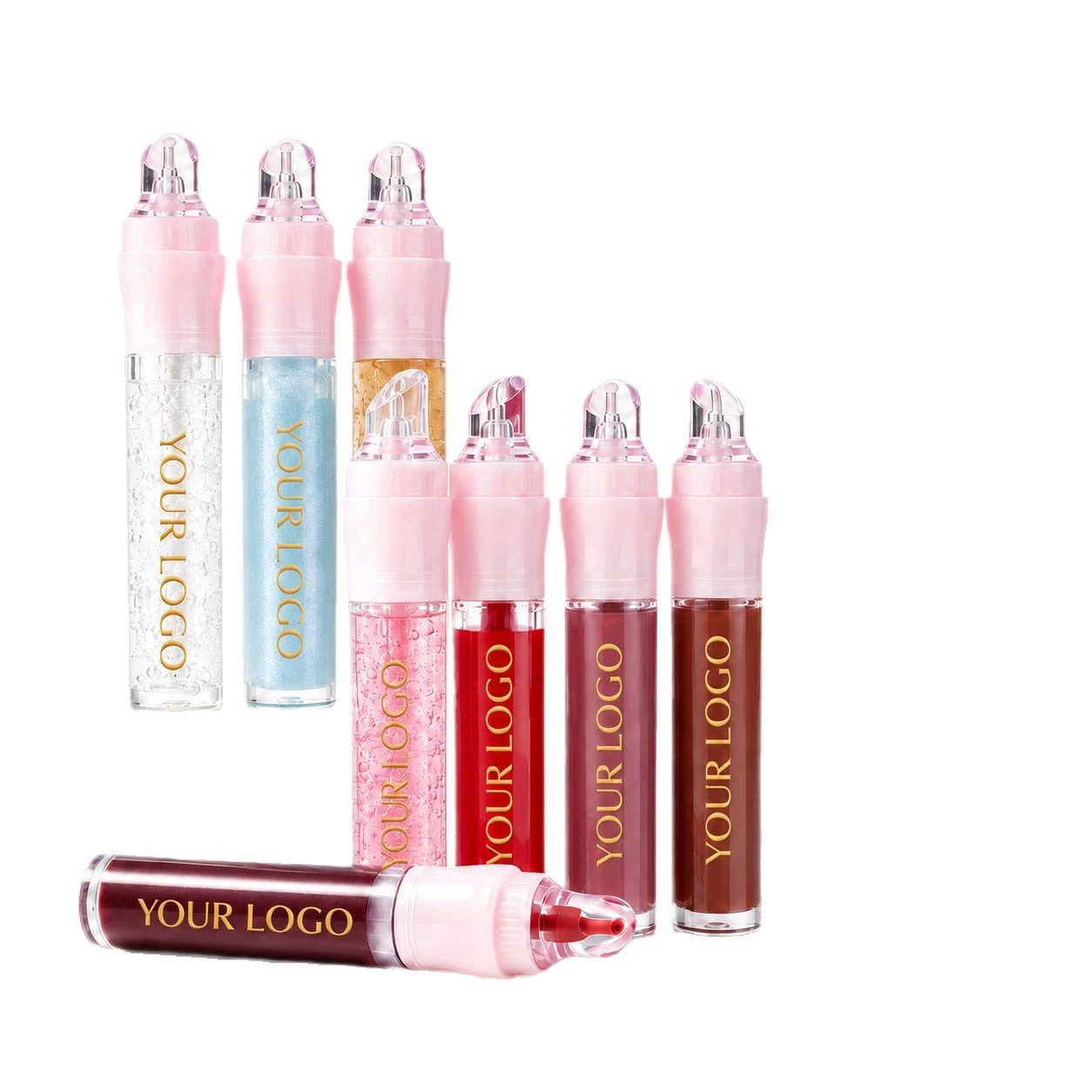
“A beauty range” leaves too many decisions unresolved. Choose a format, intended use and target customer. For example, specify a sheer lip oil for everyday wear or a buildable liquid blush.
Describe the desired finish and application experience. Reference photographs can explain your direction, but they do not define a formula.
Use the product collection to build your shortlist. Keep each proposed product on a separate line.
Specify The Market Before The Label Design
Your destination market determines which requirements your project must address.
List the countries where you intend to sell. Include planned claims, sales channels and the business responsible for placing products there.
For U.S. sales, imported cosmetics also need compliant labeling. FDA outlines ingredient declarations and other labeling requirements. Read FDA’s labeling summary.
MoCRA adds obligations concerning safety substantiation, registration, listing and adverse-event reporting; applicability and exemptions require a separate assessment. Check FDA’s cosmetics law overview.
Ask who handles each task. A supplier quotation does not, by itself, establish market compliance.
Turn Your Requirements Into A Quotation Table
A structured brief makes commercial assumptions visible before you compare suppliers.
| Brief Item | What You Should Send | What To Confirm |
|---|---|---|
| Product | Format, finish, intended use and reference | Available product options |
| Shades | Shade count and reference images or physical standards | Matching and approval method |
| Packaging | Container, applicator, artwork and carton requirements | Feasibility and testing scope |
| Quantity | Units per shade and packaging version | MOQ for each component |
| Schedule | Launch date and delivery destination | Sample, approval and production milestones |
| Commercial Basis | Currency, destination and preferred delivery arrangement | Quote inclusions and exclusions |
Ask suppliers to separate product, decoration, carton, tooling, testing and freight costs where applicable. Do not assume they are included.
Agree On Samples And Written Approvals
Your sample approval should identify the exact product and packaging version you accepted.
Record sample codes, shades, formula versions and packaging details. Distinguish formula approval from artwork and packaging approval.
Ask which safety evidence supports the finished product. FDA places safety responsibility on cosmetic manufacturers and distributors. See FDA’s product-testing guidance.
A pleasing texture is a sensory result. It does not establish microbiological safety, stability or packaging compatibility.
Use the blog alongside our lip oil sample checklist for a more detailed review.
Keep Cost And Timing Assumptions Visible
Your budget depends on the approved product, shade split, packaging and commercial terms.
Small quantities across many shades can create different purchasing constraints than one shade at the same total volume.
Ask when the production schedule starts. Artwork approval, component availability and sample revisions may affect the timeline.
Request a written revision whenever your brief changes. Otherwise, an earlier price may describe an outdated specification.
Choose A Starting Point Before Comparing OEM And ODM Offers
You should describe the work you need instead of relying on a supplier’s OEM or ODM label.
Suppliers may use these terms differently. Ask whether you are selecting an existing product, adjusting packaging, or requesting formulation work.
An existing product with new artwork creates a different project from a new formula in a new container. Separate those requests.
For each product, identify what can remain standard. Then list what must change for your brand.
You might accept a standard bottle but require a different shade selection. Alternatively, your priority might be a distinctive applicator.
These choices affect the questions a supplier must answer. They also help you avoid paying for changes you do not need.
Ask the supplier to return a scope statement. It should distinguish confirmed options, options requiring evaluation, and unavailable requests.
Keep that response beside your original brief. You can then see whether a quotation describes your request or a proposed alternative.
Use A Three-Column Scope List
- Required: Features your launch cannot proceed without.
- Preferred: Features you want, subject to feasibility and cost.
- Flexible: Features where you welcome supplier alternatives.
For example, a brand may require a sheer pink lip product but remain flexible about the outer carton finish.
This is a planning example, not a promise about available customization. Your supplier must confirm the actual options.
Build Your Shade And Quantity Matrix
Your supplier needs quantities for each sellable version, rather than one total for the collection.
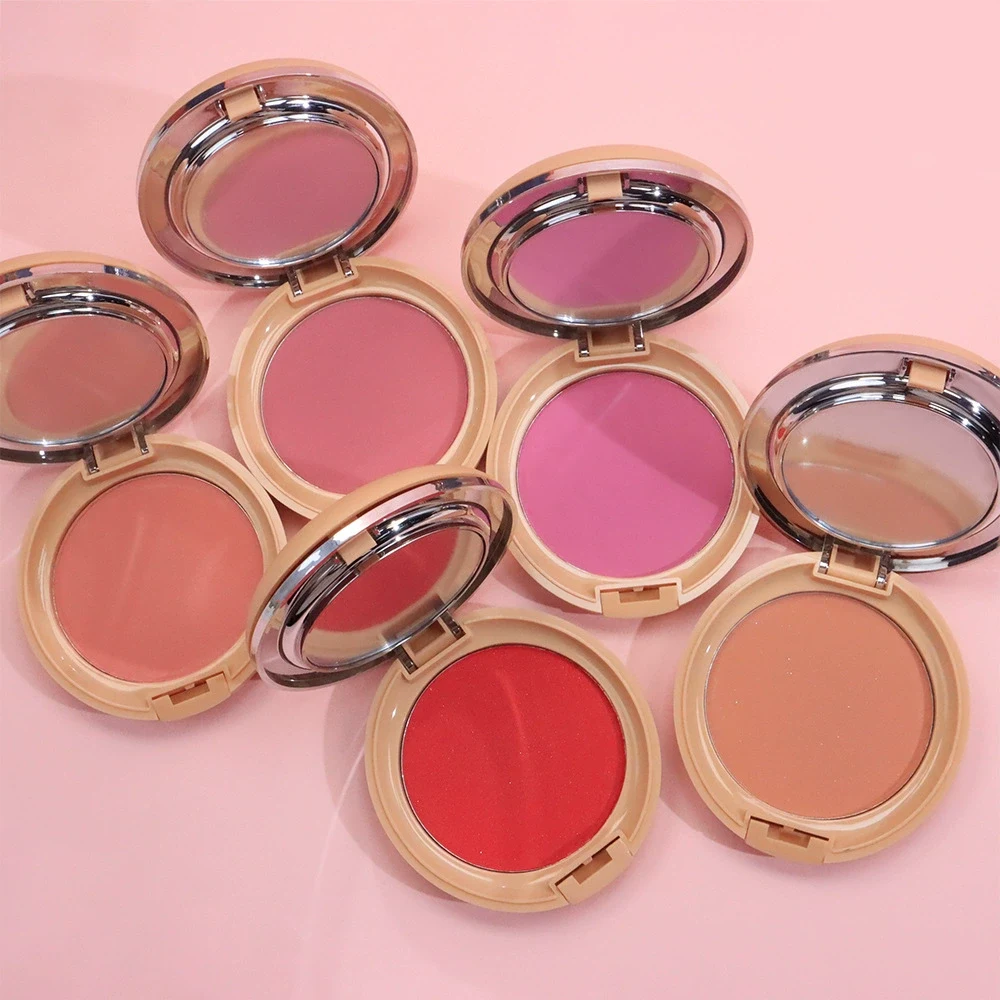
Create one row for every product, shade and packaging combination. Give each row a temporary project code.
Include the planned quantity, preferred package and reference shade. Add a separate column for the supplier’s confirmed minimum.
This prevents a common misunderstanding. A total order quantity may look sufficient while individual shades remain below their component requirements.
Consider a hypothetical four-shade launch. Two shades may share a container but need different product labels and cartons.
The container purchasing quantity and printed-component quantities may differ. Ask the supplier to show those differences.
Do not treat this example as an industry MOQ. Minimum quantities depend on the selected product and purchasing arrangement.
Also distinguish your initial order from your forecast. A forecast supports planning; it should not accidentally become a purchase commitment.
If your sales estimate remains uncertain, say so. Ask which assortment options reduce unnecessary complexity without changing your essential requirements.
Request a revised matrix after every approved change. This gives purchasing, design and supplier teams the same version to follow.
Make Your Packaging Brief Specific Enough To Review
A packaging brief should describe function, appearance and required information before decoration is approved.
Start with the package format. Specify whether you need a bottle, compact, tube, pump or another identified container.
Describe the application method and expected handling. A product used with a wand raises different questions from a brush-head cleanser.
Record your preferred dimensions or provide a physical reference. Ask which measurements the supplier can confirm before artwork preparation.
A visual reference explains an idea. It does not establish tooling compatibility, material specifications or production availability.
Next, separate primary packaging from secondary packaging. Your container and applicator form one set of decisions; the carton adds another.
List logo placement, decoration colors, label position and carton finish. Identify which artwork files are ready and which remain provisional.
Ask for the correct artwork template before your designer creates final files. Confirm the version and usable printing area.
Keep a checklist for mandatory product information. Assign responsibility for reviewing it against the destination market’s requirements.
Finally, ask how changes to the package affect testing. A different closure or liner may require further technical review.
Our cosmetic packaging compatibility guide explains the evidence questions behind that review.
Define Acceptance Criteria Before Evaluating Samples
Your sample review works better when everyone agrees what an acceptable result looks like.
Begin with observable requirements. Describe shade direction, finish, application behavior, package appearance and decoration placement.
Replace vague requests such as “premium quality” with specific review questions. Ask whether the applicator delivers the intended amount.
Ask whether the chosen color matches the agreed reference under your review conditions. Record how that comparison will happen.
Some characteristics require technical methods rather than visual inspection. Ask the supplier or laboratory to explain the appropriate assessment.
Do not invent a tolerance because another brand uses one. A useful criterion needs a defined method and product context.
Separate critical issues from preferences. Leakage requires a different discussion from a minor preference about decorative gloss.
Agree how unresolved issues affect approval. A conditional approval should list the exact correction and required follow-up.
Keep your accepted sample reference and supporting records together. Include photographs, artwork versions and any agreed exceptions.
Ask what happens if production differs from the agreed specification. Clarify the review process before the order is placed.
Compare Quotations On The Same Commercial Basis
You can compare prices meaningfully only when the included products and services match.
Check the product code, shade split and packaging references on each quotation. Confirm that the quantities match your current matrix.
Then identify separate charges. These might include decoration, cartons, development, samples or other project-specific work.
Ask which charges recur on repeat orders. Distinguish one-time project work from costs attached to each production run.
Check whether freight, duties and destination charges are included. Ask the supplier to state the agreed delivery arrangement clearly.
A lower unit price may cover a different package or omit an important service. Resolve the difference before negotiating.
Also review quotation validity and payment milestones. Record the currency, deposit conditions and any remaining assumptions.
Do not compare an indicative estimate with a confirmed specification as though both offer the same certainty.
Mark estimates as estimates in your comparison sheet. Ask what information is still needed for a firm quotation.
This approach helps your team discuss trade-offs. It does not establish a universal price for private label cosmetics.
Create A Launch Schedule With Approval Gates
Your launch plan should show dependencies, rather than treating production time as the entire project.
Work backward from the date products need to reach your sales channel. Include receiving, inspection and distribution tasks.
Ask the supplier to identify the information needed before each stage starts. Missing artwork can delay an otherwise ready project.
List sample review, artwork approval, component confirmation and order release as separate milestones. Give each milestone an owner.
Allow time for decisions within your own business. A sample cannot progress while internal reviewers disagree about the product direction.
Ask whether component sourcing and product evaluation can overlap. Let the supplier explain the risks of any proposed overlap.
Do not present a requested launch date as a guaranteed delivery date. Ask for written confirmation of the achievable schedule.
Record the conditions attached to that confirmation. A later shade change or packaging revision may affect the plan.
Agree a communication routine for milestone updates. Updates should identify completed work, pending decisions and changes requiring your approval.
This gives your team useful information without creating an unsupported promise about standard lead times.
Prepare A Clear Document And Responsibility Register
You should know which documents your project needs and who will provide or review each one.
Create a register with document name, product reference, responsible party and current status. Add version and review dates.
Possible entries include ingredient information, approved artwork, product specifications and available test records. Requirements vary with the product and market.
Ask which documents describe the actual finished product. An ingredient document may not answer questions about the finished formula.
Similarly, a packaging drawing does not replace evidence about the filled product. Keep each document’s scope visible.
If a requested record is unavailable, record that status accurately. Ask what review or additional work would be necessary.
Do not replace a missing document with a broad marketing statement. Your purchasing decision needs information you can identify and evaluate.
Assign market-specific review to an appropriately qualified person. Clarify the brand owner’s responsibilities as well as the supplier’s.
Before release, check that the product code, package version and artwork agree across the register.
A short, controlled register is more useful than an unstructured folder containing several outdated versions.

Send A Brief That Invites A Useful Supplier Response
Your final enquiry should ask suppliers to confirm decisions, assumptions and missing information in a structured reply.
Attach your product matrix and packaging references. Name the current files clearly and identify which version replaces earlier drafts.
In your message, highlight the three decisions that matter most. These might be shade availability, package feasibility and quotation scope.
Ask the supplier to respond against each requirement. Invite alternatives where you have explicitly marked flexibility.
Request confirmation of the next sample step and any associated costs. Ask what your team must approve before work begins.
Avoid sending disconnected updates across several channels without a summary. Consolidate accepted changes into one revised brief.
Use your original requirements when reviewing the reply. Record any differences before approving a quotation or purchase order.
You can reuse this process for later products. Keep the structure while updating the product-specific details and market requirements.
The result is a clearer purchasing conversation, with fewer assumptions left for either team to discover later.
What You Can Discuss With Zonngootech
You can begin with our displayed cosmetic products and share your shade, packaging and destination requirements.
Our collection covers lip products, blush, eye makeup, cleansing mousse and makeup sponges. Discuss project-specific options through our OEM/ODM enquiry page.
Availability, customization scope, MOQ, supporting documents and schedules need individual confirmation. No standard price or certification is implied here.
Frequently Asked Questions
Do You Need A Finished Formula Before Enquiring?
No. You can start with a product reference and desired performance. Ask which available development options match your brief.
Should You Request One MOQ For The Entire Range?
Ask for quantities by product, shade and packaging component. A range-wide total can hide individual purchasing constraints.
Does A Logo File Complete Your Packaging Brief?
No. Include decoration placement, container specifications, artwork files, carton requirements and destination-market label information.
Request A Comparable Quotation
Contact us with your product shortlist, shade split, quantities, packaging direction and destination market. Your team can then confirm the next project decisions.