Evaluate lip oil samples as a complete formula, shade, applicator and container combination. Use the same review conditions for every sample. Record your observations separately from laboratory evidence, then approve an identifiable sample version before ordering.
In This Guide
- Define What Your Lip Oil Must Deliver
- Compare Shade And Feel Under Consistent Conditions
- Evaluate The Applicator And Closure Together
- Request Evidence Before You Accept Claims
- Record Your Decision Before The Bulk Order
- Organize Your Samples Before The First Review
- Separate Sensory Preferences From Measurable Requirements
- Build A Repeatable Shade Review
- Observe Application Through A Full Use Sequence
- Use A Review Log Instead Of Relying On Memory
- Ask What The Available Evidence Actually Covers
- Translate Sample Feedback Into Actionable Revisions
- Connect Sample Approval To Your Purchase Specification
- Decide Whether To Proceed, Revise Or Reject
- Explore Zonngootech’s Lip Oil References
- Frequently Asked Questions
- Plan Your Sample Review
Define What Your Lip Oil Must Deliver
You need a written performance brief before you can judge whether a sample fits your range.
Describe your desired shine, color payoff, slip and residual feel. Decide whether your customer wants a sheer tint or stronger color.
Do not judge performance from “lip oil” on the name alone. Ask for the ingredient list and finished-product specifications.
Set an internal scoring method. A simple five-point scale can organize your observations; it is not an industry standard.
Compare Shade And Feel Under Consistent Conditions
You can compare samples more fairly when lighting, application and observation times stay consistent.
Use the same lighting and photography setup for each shade. Record the sample code in every image.
A photographed swatch helps describe color. It does not reproduce every wearer’s natural lip tone or screen settings.
| Review Area | What To Record | Buyer Decision |
|---|---|---|
| Color | Sheerness, evenness and shade reference | Does it fit your range? |
| Shine | Appearance immediately after application and at agreed intervals | Does it match the intended finish? |
| Feel | Slip, tack and residual coating | Does it suit your customer? |
| Application | Amount collected and spread across the lips | Is application controllable? |
| Fragrance | Presence and perceived intensity, where applicable | Does it match your product brief? |
Use separate hygienic samples or fresh applicators for each evaluator. FDA advises against sharing makeup. Read FDA’s cosmetic-use and shelf-life advice.
Evaluate The Applicator And Closure Together
Your applicator system controls how much product reaches the user.
Adapt these checks to your sample. Removable wands, fixed tips and other dispensing formats need different handling steps.
For a removable wand, record whether it collects too much or too little product. Check for buildup around the neck after repeated opening.
Close the container as instructed. Note cap alignment, thread engagement and any visible residue.
Ask the supplier to define appropriate leakage and transport checks. Informal observation is useful, but it cannot validate shipping performance.
Do not substitute another tube after approval without review. See our packaging compatibility checklist for the next questions.
Request Evidence Before You Accept Claims
You should assess safety, stability and marketing claims through supporting documents rather than sample appearance.
Ask which formula and packaging versions the documents cover. Request the ingredient list, batch identification and available stability evidence.
For U.S. products, color additives must be permitted for their intended use. Approval for external cosmetics does not automatically include lips. Check FDA’s color-additive explanation.
Ask what supports claims such as long wear or measured moisturization. Avoid copying unsupported benefits into your artwork.
FDA does not prescribe one universal test list for every cosmetic. The evidence needed depends on the product and available safety information. Read FDA’s product-testing guidance.
Record Your Decision Before The Bulk Order
A clear approval record links your purchase requirements to a specific sample.
- Record formula and shade codes, packaging references and approval dates.
- List accepted observations and issues requiring correction.
- Keep the agreed sample under the supplier’s recommended storage conditions.
- Ask how production batches will be compared with the approved reference.
- Confirm whether any component or formulation changes require your approval.
One successful sample does not prove every production unit will match. Ask how the supplier monitors the agreed specification.
Organize Your Samples Before The First Review
You need identifiable samples and a consistent review process before comparing lip oil performance.
Give every sample a unique code. Record the supplier reference, shade, packaging version and date received.
Photograph each sample before opening it. Include the container, closure, label and any supplied outer packaging.
Check whether the supplier describes the sample as a production reference or an early development version.
This distinction changes what you can conclude. An early formula in temporary packaging does not represent the final product system.
Record the supplier’s storage instructions and follow them. Note any unusual shipping condition or visible package damage.
Keep your sample list separate from your approval list. Receiving a sample does not mean you have accepted it.
For several reviewers, prepare a shared evaluation sheet. Ask everyone to use the same terms and observation schedule.
Your goal is consistent internal decision-making. This process does not replace a qualified safety assessment or laboratory investigation.
Separate Sensory Preferences From Measurable Requirements
Your review should distinguish what you prefer from what your specification requires.
Terms such as “comfortable” and “luxurious” describe perceptions. They become more useful when your team explains the underlying experience.
Ask reviewers whether they notice drag during application, tack when lips meet, or a heavy residual coating.
Record those observations without turning them into unsupported universal claims. Another customer group may prefer a different feel.
If you want a measured performance claim, discuss the necessary supporting method before designing the claim.
For example, “feels smooth to our reviewers” differs from a numerical moisturization promise. The second needs appropriate evidence.
Set your commercial priority before scoring. You may prefer stronger shine, easier application or a lighter coating.
A sample can perform well on one attribute while missing another. Preserve that trade-off in your review notes.
Do not collapse every observation into a single unexplained score. Keep enough detail to support the next development conversation.
Create A Short Evaluation Vocabulary
- Slip: Your description of how readily the product spreads during application.
- Tack: Your observation of adhesion when the coated surfaces contact and separate.
- Color Payoff: Your observation of visible tint under the chosen application conditions.
- Residual Feel: Your description of the coating after the agreed observation period.
These are practical review terms. Agree your own definitions and methods rather than presenting them as a formal testing standard.
Build A Repeatable Shade Review
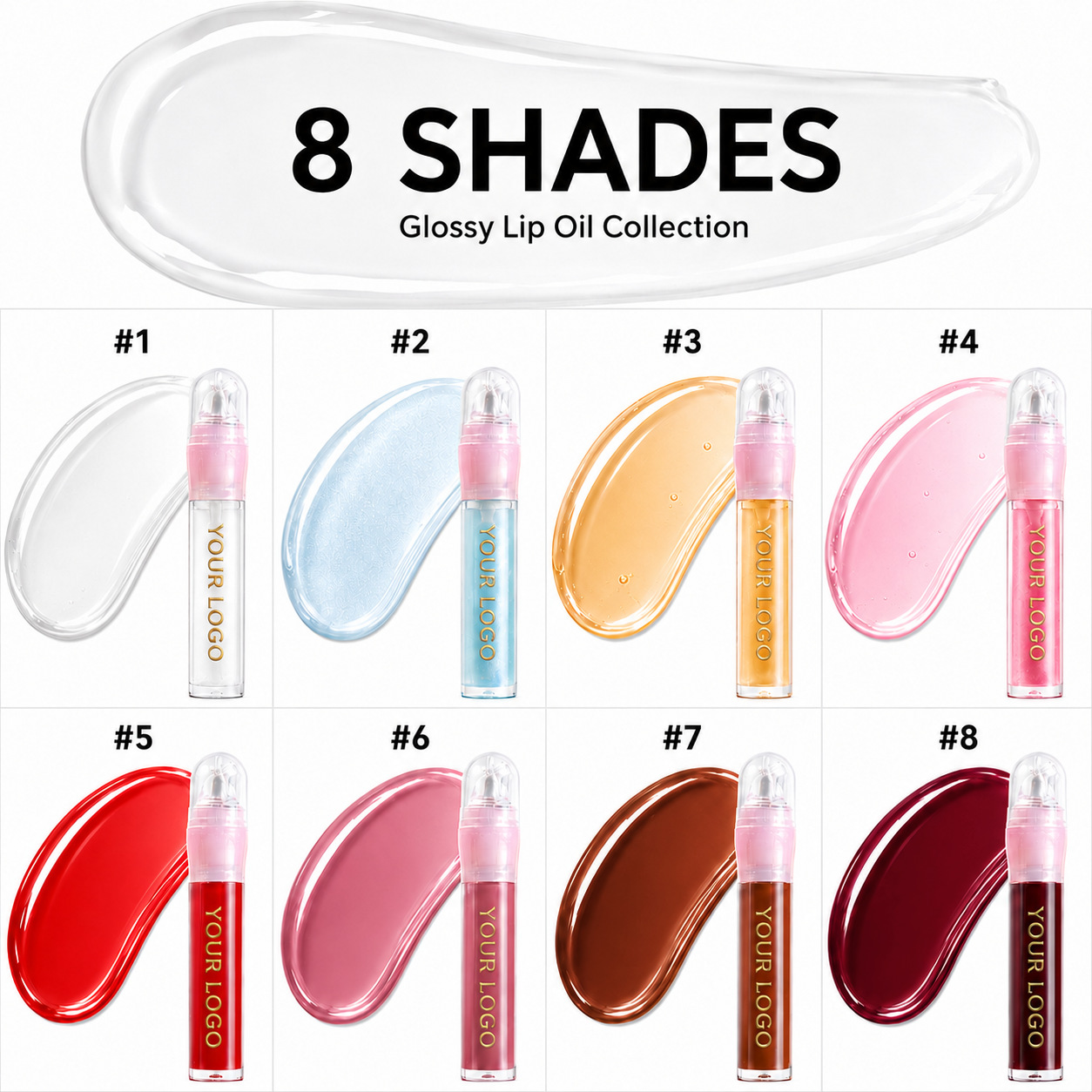
Your shade comparison needs controlled references because photographs and natural lip color can change the apparent result.
Label swatch photographs with the sample code and application conditions. Keep lighting and camera settings consistent where practical.
Avoid comparing one shade under window light with another under warm indoor lighting. Record any unavoidable differences.
Review the product in the container and after application. A strongly colored bottle does not necessarily produce strong coverage.
Ask reviewers to describe tint, evenness and visible streaking. Note whether the product changes the appearance of their natural lip color.
If you use an approved shade reference, identify it precisely. A screenshot without a reference code may create avoidable ambiguity.
Keep the selected physical reference when possible. Agree how future samples and production batches will be compared with it.
Ask the supplier which shade changes could affect other product characteristics. Do not assume only appearance changes when a formula changes.
Choose your assortment based on the intended range. Several similar shades may add complexity without answering a distinct customer need.
Observe Application Through A Full Use Sequence
Your sample review should follow the opening, application and closing steps your customer will actually perform.
Start by opening the container normally. Note resistance, cap alignment and any product collected around the neck.
For a removable wand, withdraw it without deliberately scraping it against the opening. Record whether the pickup suits the intended application.
Apply the product using your agreed method. Note how readily you can control the edge and distribute the coating.
Replace the applicator or cap and close the package as instructed. Observe residue on the threads or outside the container.
Repeat the sequence during your planned review, using hygienic handling. Record recurring behavior rather than one isolated impression.
Ask whether the applicator shape and wiper can be specified independently. Let the supplier confirm the feasible combinations.
Do not assume a larger applicator is automatically better. Its usefulness depends on the pickup and application experience you want.
Similarly, do not treat a difficult closure as a cosmetic detail. Ask the supplier to investigate the observed behavior.
Use A Review Log Instead Of Relying On Memory
A dated review log helps you distinguish repeatable observations from isolated reactions.
Use one sheet per sample code. Record reviewer, observation time, sample condition and the method used.
Keep sensory observations, package observations and document questions in separate columns. This makes follow-up requests easier to answer.
If a reviewer reports unusual odor, irritation or another unexpected issue, stop that evaluation and request an appropriate review.
Do not continue informal testing to prove that an adverse experience was unimportant. Preserve the sample reference and relevant observations.
Your internal reviewers should not diagnose the cause. Share the information with the responsible supplier or qualified technical reviewer.
For ordinary preference differences, record both views. A disagreement may reflect your target customer choice rather than a defect.
At the end, summarize the accepted characteristics and unresolved issues. Avoid sending a supplier only a collection of unprioritized comments.
A concise log gives the next sample round a clear purpose. You can then assess whether the requested change was achieved.
Ask What The Available Evidence Actually Covers
You need to match each supporting document to the sample you are considering.
Check the formula code, shade description and package reference. Ask whether the document covers your intended final combination.
Request an explanation when the sample and report descriptions differ. A familiar brand name on a report does not resolve that difference.
Ask which information supports the intended shelf life and storage instructions. Record whether any work remains incomplete.
For a multi-shade project, ask how the reviewed evidence applies across the assortment. Do not silently extend one result to every variation.
Review your planned claims alongside the documents. Remove or revise wording that cannot be supported by relevant evidence.
If you need target-market documentation, identify that market early. Ask the appropriate technical reviewer what must be confirmed.
Keep commercial and technical acceptance separate. A sample price or promised delivery date cannot answer a safety question.
Likewise, a reassuring sales message does not explain the scope of a test report. Ask for a clear, specific response.
Translate Sample Feedback Into Actionable Revisions
Your supplier can respond more effectively when each revision describes an observed issue and a desired outcome.
Instead of “make it better,” explain that you want less product on the wand during withdrawal.
Instead of “the pink is wrong,” identify the reference and describe the direction of the mismatch.
Keep formula, shade and packaging feedback in separate lists. Ask which proposed change addresses each issue.
Request a new sample code for every revision. Keep the old version so you can compare the intended change.
Avoid approving several simultaneous changes without reviewing the result. Improvements in one attribute may change another attribute you liked.
For example, a revised applicator may alter pickup and perceived coverage. Review the full application sequence again.
Ask whether technical evidence needs updating after the revision. The supplier or qualified reviewer should assess that question.
Close each issue explicitly when it is resolved. Open comments should not disappear merely because a new sample arrived.
Connect Sample Approval To Your Purchase Specification
Your accepted sample must become an identifiable reference in the purchase documentation.
List the approved formula, shade, package and artwork versions. Record the approval date and the person responsible.
Describe any remaining conditions. If an issue still requires confirmation, do not describe the approval as unconditional.
Ask how the supplier will check production against the agreed specification. Request the proposed inspection and record arrangements.
Confirm how changes will be communicated. A replacement component should not enter the project without the agreed review.
Include quantities by shade and package version in your order. Match those descriptions to your approval records.
Keep a retained reference under the recommended conditions. Ask the supplier how their own retained references are managed.
Before shipment, review the agreed release information. A sample approval does not eliminate the need to assess the supplied batch.
For your next order, check whether the product and package remain unchanged. Repeat orders still need clear, current specifications.
Decide Whether To Proceed, Revise Or Reject
Your evaluation should end with a documented decision rather than an informal expression of preference.
Proceed when the sample fits your brief and the necessary commercial and technical questions are resolved.
Request a revision when the issue is specific and the supplier confirms a feasible next step.
Reject the option when it cannot meet your essential requirements. Keep the reason factual and connected to the original brief.
Do not let time already spent on sampling force a poor fit into your range. Revisit your priorities when needed.
Your decision record should explain what was accepted, what remains open and who must take the next action.
This gives your team a useful foundation for negotiations. It also makes later discussions about product expectations more precise.
Explore Zonngootech’s Lip Oil References
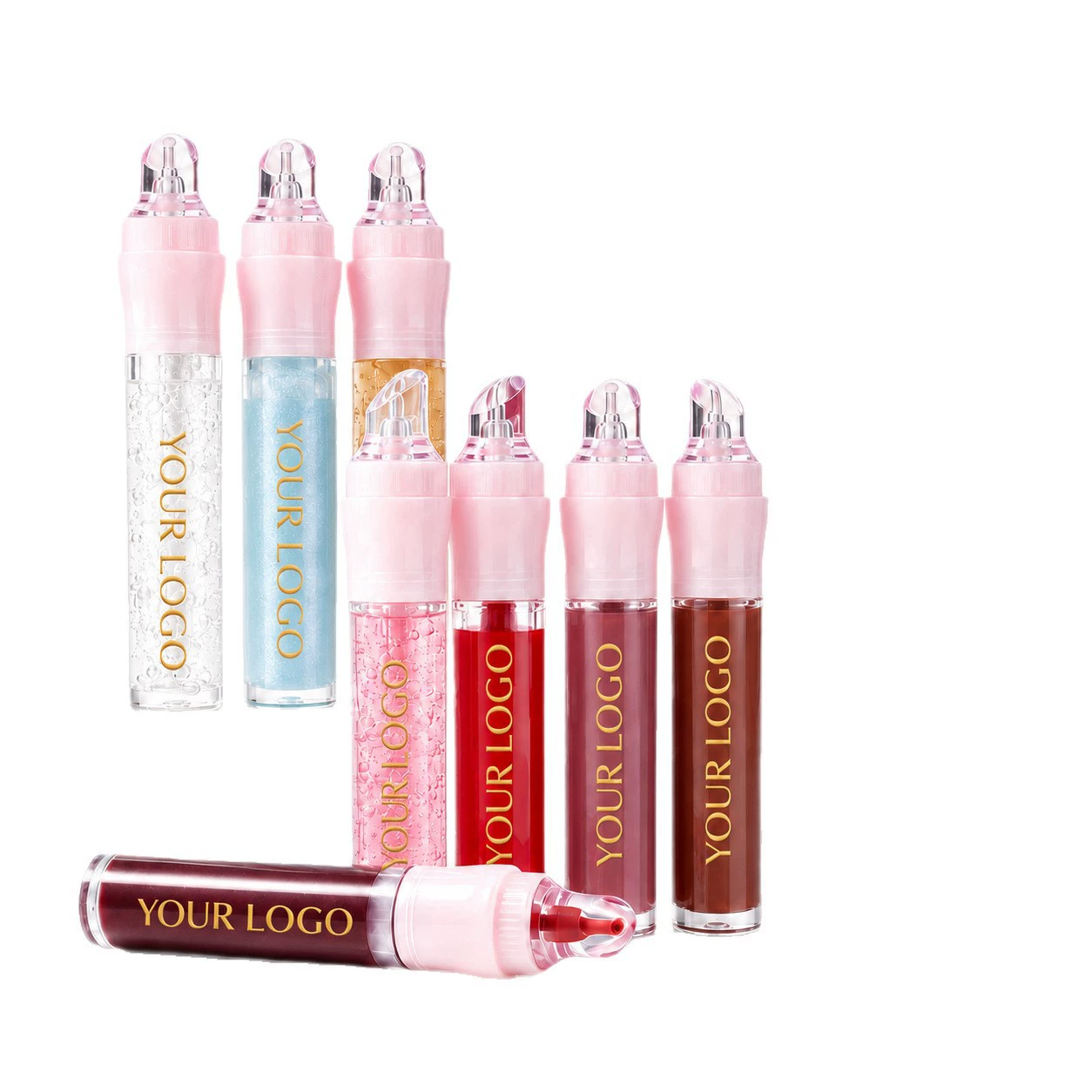
You can review our Glossy Lip Oil collection before preparing your sample request.
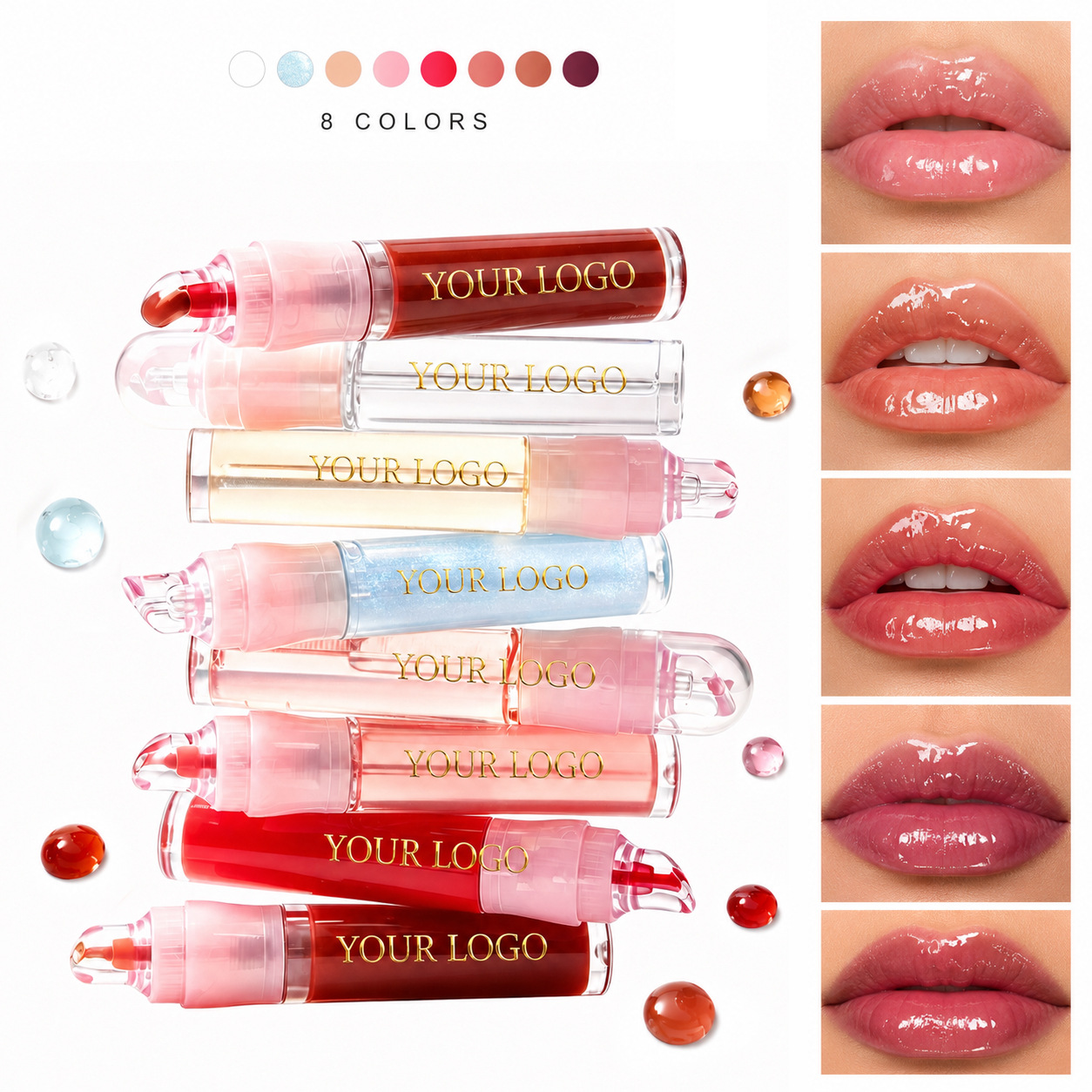
The page shows eight shade references and product imagery. Images support shortlisting; sample availability and final specifications need confirmation.
Frequently Asked Questions
Can A Swatch Photograph Replace A Physical Sample?
No. It cannot establish actual feel, applicator behavior, color on different lips or package function.
Does “Oil” Mean A Product Is Preservative-Free?
No. Ask for the formula information and safety rationale. The product name does not establish its microbiological requirements.
Can You Use The Same Package For Every Shade?
Ask which shade variations the evaluation covers. Changes in the formula or package may require additional assessment.
Plan Your Sample Review
Contact us with your shade shortlist, desired feel, packaging direction, estimated quantity and target market. Request confirmation of samples and available documents before approval.