Cosmetic packaging compatibility checks whether a formula and its package remain suitable together over intended storage and use. Evaluate the actual formula, container and dispensing components. An attractive empty bottle cannot establish how the filled product will behave.
In This Guide
- Define The Complete Packaging System
- Separate Compatibility From Other Checks
- Agree On Product-Specific Test Conditions
- Match Sample Checks To Your Product Format
- Control Changes After Approval
- Create A Component Map Before Requesting Tests
- Separate Physical Observations From Technical Conclusions
- Write A Test-Scope Request Your Supplier Can Answer
- Review Dispensing As A Separate User Experience
- Include Decoration And Label Durability In Your Brief
- Assess The Distribution Package Separately
- Read A Report Beyond Its Pass Statement
- Plan Changes Before They Reach Production
- Use A Release Checklist For The Final Combination
- Discuss Your Packaging With Zonngootech
- Frequently Asked Questions
- Review Your Packaging Brief
Define The Complete Packaging System
Your evaluation must identify every component that contacts the formula or affects dispensing.
List the bottle or jar, closure, liner, seal, applicator and pump components where applicable. Include the proposed decoration and label.
Record material specifications and component references. Similar-looking containers may use different resins, seals or internal parts.
Cosmetics Europe explains that packaging can interact with products and affect stability. Its industry guideline recommends representative final packaging. See the stability-testing guideline, packaging section.
Separate Compatibility From Other Checks
Compatibility, stability and transport checks answer related but different purchasing questions.
| Check | Question It Helps Answer | Example Observation |
|---|---|---|
| Formula–Package Compatibility | Do product and components work together? | Container swelling or changes around a seal |
| Product Stability | Does the product retain its intended properties over time? | Changes in texture, odor or appearance |
| Dispensing Performance | Can the user dispense the intended amount? | Pump output or applicator pickup |
| Transport Performance | Can the packed product withstand the planned distribution route? | Leakage or carton damage |
This table organizes buyer questions. It is not a substitute for a qualified laboratory protocol.
Passing one check does not establish the others. A package can survive delivery yet dispense poorly after storage.
Agree On Product-Specific Test Conditions
Your test plan should reflect the formula, package and expected storage and distribution conditions.
Ask the manufacturer or laboratory to define conditions, duration, sample quantities and acceptance criteria. Agree which formula and component versions apply.
Request the rationale for temperature, light exposure and orientation where relevant. Do not choose a universal schedule from a marketing checklist.
Cosmetics Europe recommends product-dependent protocols and confirmatory real-time monitoring. Its 2004 document is industry guidance, not a universal legal test schedule. Review the guidance on study design and monitoring.
FDA also notes that shelf life varies with product type, use and storage. Heat, light and air can change cosmetics. Read FDA’s shelf-life explanation.
Match Sample Checks To Your Product Format
Your sample checklist should focus on how the selected product is stored, opened and dispensed.
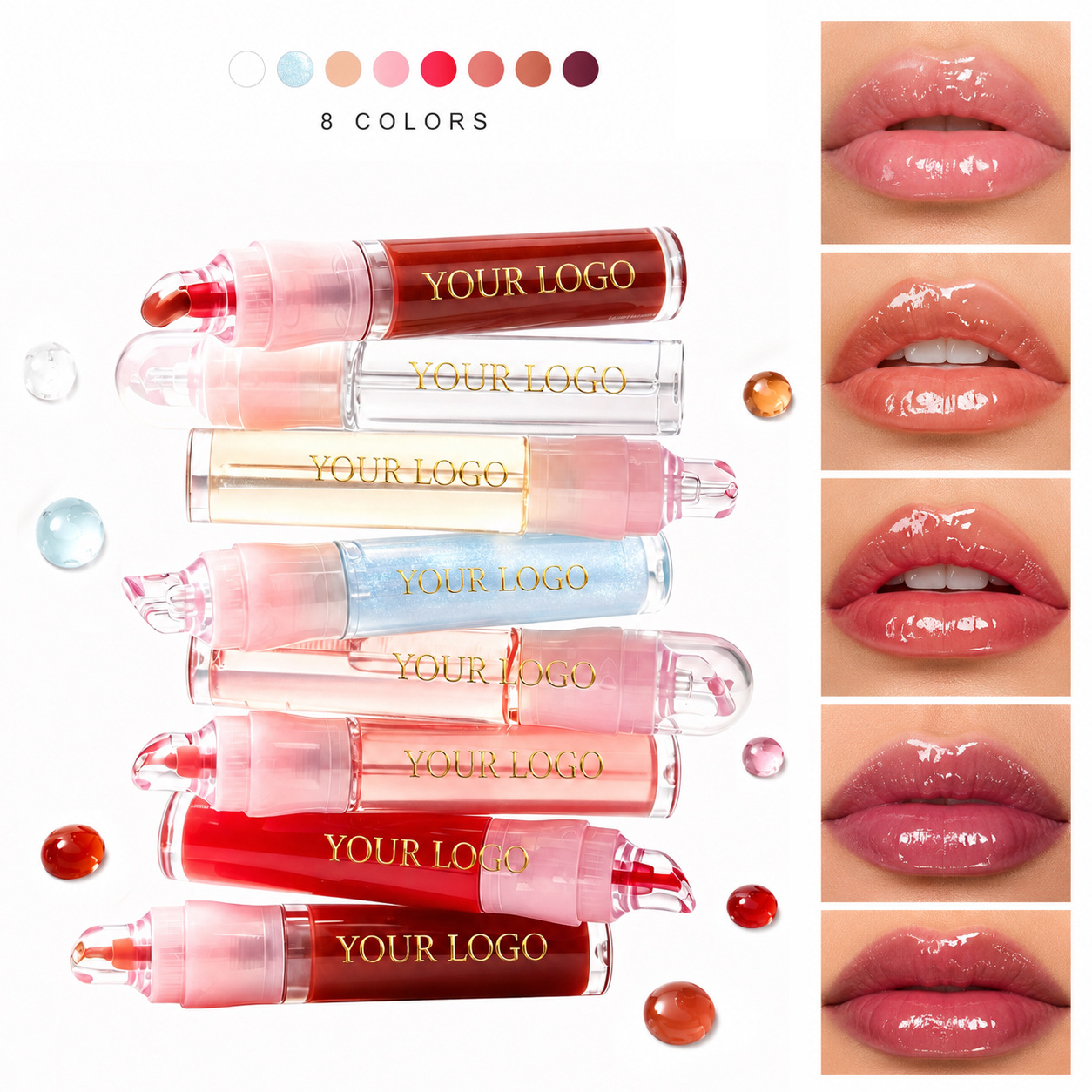
- Lip oil: Review the wand, wiper, neck and closure as one system.
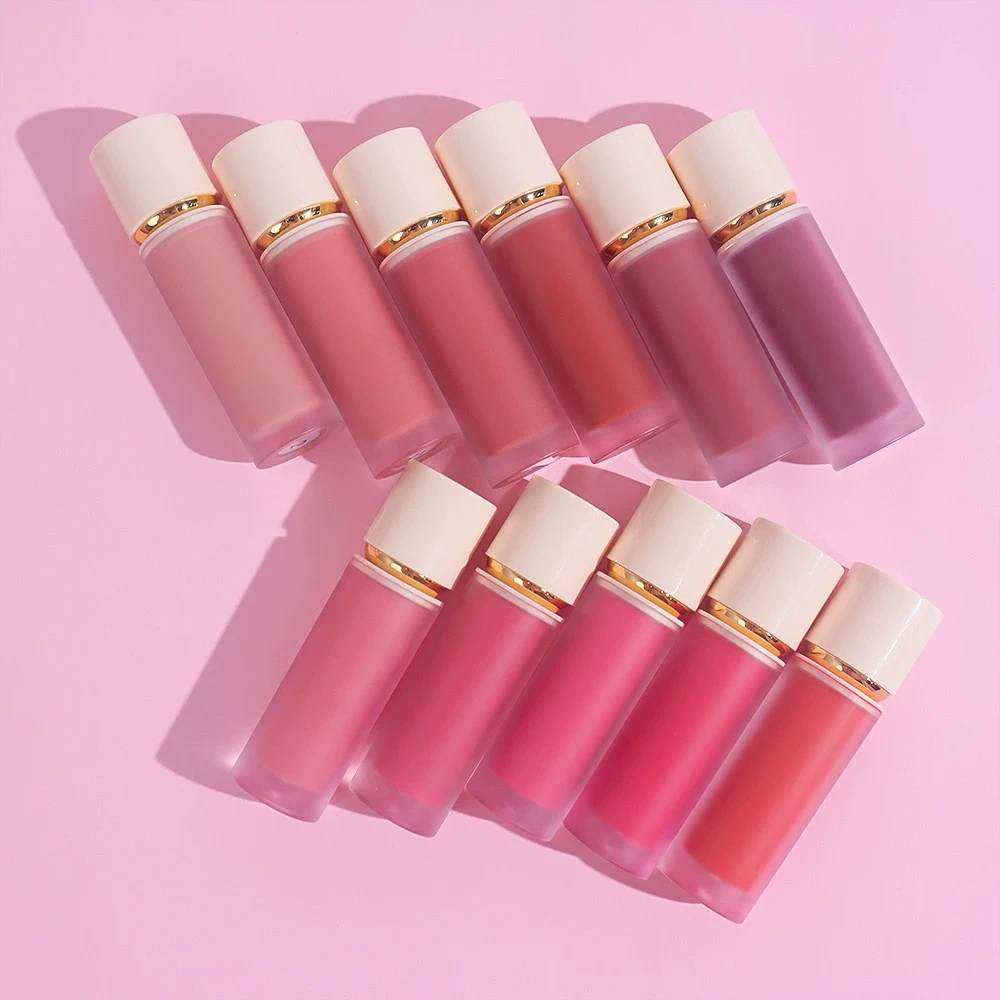
- Liquid blush: Check the chosen applicator and closure with the actual formula.
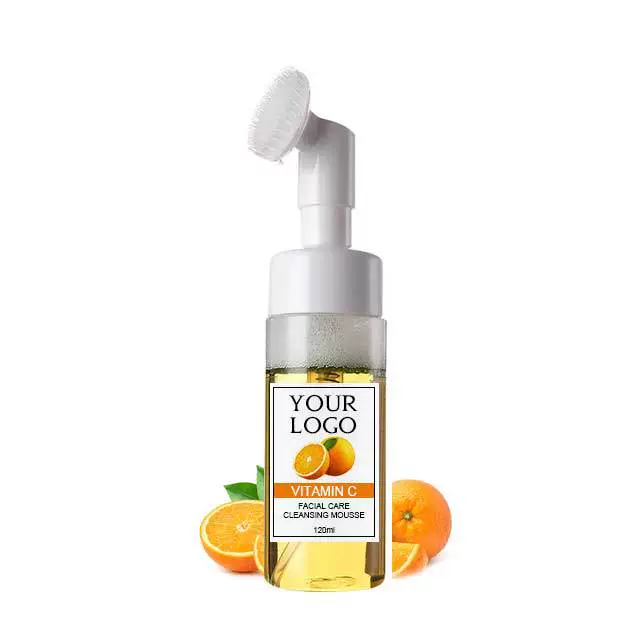
- Cleansing mousse: Ask how the pump and brush-head assembly are evaluated.
- Printed containers: Define appearance checks for decoration, labels and repeated handling.
Record observations with sample codes and photographs. Escalate leakage, swelling, unexpected odor or dispensing failures before approval.
Do not infer compatibility from material names alone. The formula and full component construction also matter.
For a lip product project, combine this review with the lip oil sample evaluation checklist.
Control Changes After Approval
You need change control because an approved result applies to the evaluated product and package combination.
Ask suppliers to flag component, formula, material and manufacturing changes. Request an assessment of whether existing evidence remains applicable.
Keep approved artwork and component references with your purchase specifications. Resolve changes before production, rather than after receiving finished goods.
Ask for traceable document versions. A report without a matching sample description may not answer your project’s question.
Create A Component Map Before Requesting Tests
Your first task is to identify the packaging combination the proposed assessment will cover.
Start with a drawing, component list or annotated photograph. Give each component a reference that your supplier can recognize.
For a wand product, identify the bottle, closure, stem, applicator and wiper. Include any relevant seals or inserts.
For a pump product, ask the supplier to identify internal components that contact the formula. Do not rely on the exterior appearance.
Add material specifications when available. If they remain provisional, mark them as provisional rather than guessing.
Record the supplier and version of each component. A reference such as “pink bottle” is too broad for change control.
Also identify the formula and its version. Packaging evidence cannot be interpreted clearly when the tested contents are unknown.
Use this map when requesting quotations and technical reviews. Ask the supplier to confirm any missing or substituted information.
Keep the map current throughout development. It should describe the final evaluated combination, not only your original design idea.
Separate Physical Observations From Technical Conclusions
You can record visible changes, but a qualified assessment should determine their significance and cause.
During sample handling, look for unexpected distortion, discoloration, residue or closure problems. Photograph observations with the sample reference.
Describe what happened without diagnosing a chemical interaction. For example, record a swollen liner rather than assigning an unverified cause.
Ask the supplier or laboratory which investigation is appropriate. The relevant method depends on the product and component construction.
A package can look unchanged while other questions remain unresolved. Visual inspection alone does not establish the absence of migration.
Conversely, a decorative issue does not automatically prove a formula safety problem. Keep your observations and conclusions separate.
Request the rationale behind the assessment. You should understand what was evaluated and which questions remain outside its scope.
This prevents both overconfidence and unnecessary rejection. Your purchasing decision should follow evidence rather than a reassuring appearance.
Write A Test-Scope Request Your Supplier Can Answer
Your request should describe the product system and anticipated use without prescribing an unsupported universal protocol.
State the intended market, container format and expected distribution route. Include known storage or display conditions.
Provide the formula and component references from your map. Identify which references are final and which may still change.
Ask the technical team to propose the assessment scope. Request conditions, duration, sample quantities, observations and acceptance criteria.
Ask why the proposed conditions are appropriate. A test schedule copied from another product may not answer your project’s questions.
Request identification of any controls or comparison samples. Ask how unusual results would be investigated.
Confirm what the final report will contain. It should allow your reviewer to identify the tested combination and interpret the results.
If the scope changes, request a revised proposal. Your purchasing records should not describe a broader assessment than actually occurred.
Agree how incomplete work will be reported. A study in progress should not be presented as a completed approval.
Review Dispensing As A Separate User Experience
Your customer needs the package to dispense the product consistently enough for its intended use.
For a lip oil, review the amount collected by the applicator and how the wiper controls excess product.
For a liquid blush, review the selected application method. Ask whether pickup and distribution suit the intended cosmetic finish.
For a cleansing mousse, ask how the chosen pump and brush-head assembly are assessed with the actual formula.
Do not assume an attractive sample proves repeated-use performance. Ask what happens as the container empties and components experience handling.
Record your desired user experience in practical terms. “Easy to control” needs an agreed interpretation during review.
Ask whether package orientation affects the intended use. Let the technical team define the appropriate evaluation.
Review closure operation as well as dispensing. A user must be able to replace the applicator and close the product correctly.
Connect your observations to the formula and component versions. Otherwise, a successful review may be attributed to the wrong combination.
Include Decoration And Label Durability In Your Brief
Your packaging appearance needs its own agreed review because decoration introduces additional purchasing requirements.
Identify the decoration method and intended artwork. Record the position of logos, text, labels and other visible elements.
Ask which surfaces will experience normal handling or product contact. Discuss suitable appearance checks with the supplier.
For labels, identify the substrate and adhesive reference where available. Ask how the proposed label is assessed on the selected container.
Keep decoration checks distinct from formula compatibility conclusions. A satisfactory label appearance does not establish the complete product’s stability.
Similarly, a technical result does not guarantee that your chosen artwork remains legible after ordinary handling.
Request an actual decorated sample when feasible. A digital rendering cannot demonstrate the physical finish.
Agree how visible differences will be reviewed. Use the approved artwork and physical reference rather than a memory of the design.
If the decoration process changes, ask whether any prior evaluation remains applicable. Record the response with the updated specification.
Assess The Distribution Package Separately
Your delivery packaging should be reviewed against the planned shipping and handling arrangement.
Identify the individual carton, protective materials, shipping carton and packing configuration. Ask which versions the supplier proposes.
Explain whether the products will travel directly to retailers, a distribution center or individual customers. Handling patterns can differ.
Ask the supplier or packaging specialist to define appropriate transport checks. The method should reflect the proposed route and package configuration.
Do not convert an informal desk drop into a formal shipping-performance claim. Record it only as an internal observation.
Likewise, one successful sample delivery does not demonstrate every future distribution condition. Ask what evidence supports the selected arrangement.
After transport evaluation, review both package condition and product function. An intact carton does not automatically establish an intact product system.
Record leaks, damaged closures or decoration changes against the affected sample code. Ask how the proposed correction will be verified.
Keep transport findings alongside compatibility information while preserving their separate scope. Both can inform your final purchasing decision.
Read A Report Beyond Its Pass Statement
You should read the sample description, method and limitations before relying on a reported result.
Begin with the formula and package identifiers. Check whether they match the combination you intend to order.
Then review the conditions and duration. Ask which conditions represent intended storage and which are used for investigative purposes.
Look for the observations and acceptance criteria. A pass statement means little if you cannot identify what was assessed.
Ask how deviations were handled. A report may contain useful findings while still leaving a purchasing question unresolved.
Check whether the report is final, preliminary or superseded. Record its version and the responsible technical reviewer.
Do not extend the conclusion to unrelated formulas or containers. Ask for a written assessment when you want to use existing evidence.
If the report refers to another specification, request that reference. The conclusion may depend on information outside the report itself.
Your task is not to replace the laboratory. It is to ensure the evidence actually answers your procurement question.
Plan Changes Before They Reach Production
Your change process should identify who reviews a proposed substitution and whether further evaluation is necessary.
List the components and formula versions that require notification before alteration. Agree the notification process with your supplier.
Possible changes include a new material grade, closure construction, applicator, decoration process or formula version.
Ask the technical team to assess the impact. Do not assume a small visible difference means a small technical difference.
Request a clear decision: existing evidence remains applicable, additional information is needed, or further evaluation is required.
Keep the rationale with the approval record. A verbal reassurance can be difficult to interpret during a later disagreement.
Update your drawings, specifications and purchase descriptions after approval. Remove outdated files from the active project folder.
For repeat orders, ask whether any relevant component changed. Your previous order does not automatically describe the next production run.
This process helps you preserve the relationship between the ordered product and the evidence used to approve it.
Use A Release Checklist For The Final Combination
Your release decision should connect the approved product, package and supporting records before the order proceeds.
Confirm the formula code and every relevant component reference. Check that artwork and labels match the approved version.
Review the status of required assessments with your technical reviewer. Identify unfinished work and any conditions attached to approval.
Confirm the agreed storage instructions and product information. Ensure the commercial team has not added unsupported claims.
Ask how production units will be identified and traced. Keep the agreed records accessible to the team managing the order.
Record who can authorize a change after release. Clarify how urgent substitutions will be reviewed rather than silently accepted.
Keep the final sample, component map and document register linked by the same project reference.
When something remains uncertain, describe the uncertainty precisely. Your team can then decide what information is needed before proceeding.
A well-documented release does not eliminate every risk. It gives you a clear basis for decisions and supplier communication.
Discuss Your Packaging With Zonngootech
You can use our product references to explain your intended packaging direction.
Explore liquid blush or cleansing mousse, then share the component and formula requirements you need confirmed.
Available packaging options, test reports and development scope need project-specific confirmation. This guide does not assert in-house laboratory capabilities.
Frequently Asked Questions
Does A Leak-Free Sample Prove Compatibility?
No. Initial leakage is one observation. It does not establish longer-term formula interaction, stability or dispensing performance.
Can You Reuse A Report For A Different Bottle?
Ask a qualified reviewer whether the report covers the new combination. Similar appearance is not enough.
Should Every Product Use The Same Test Duration?
No. The chosen protocol needs a product-specific technical rationale and clearly defined acceptance criteria.
Review Your Packaging Brief
Contact us with your product, container and applicator references, planned market and expected distribution conditions. Agree the review scope before approving packaging.